
- Pair13
- Reports3


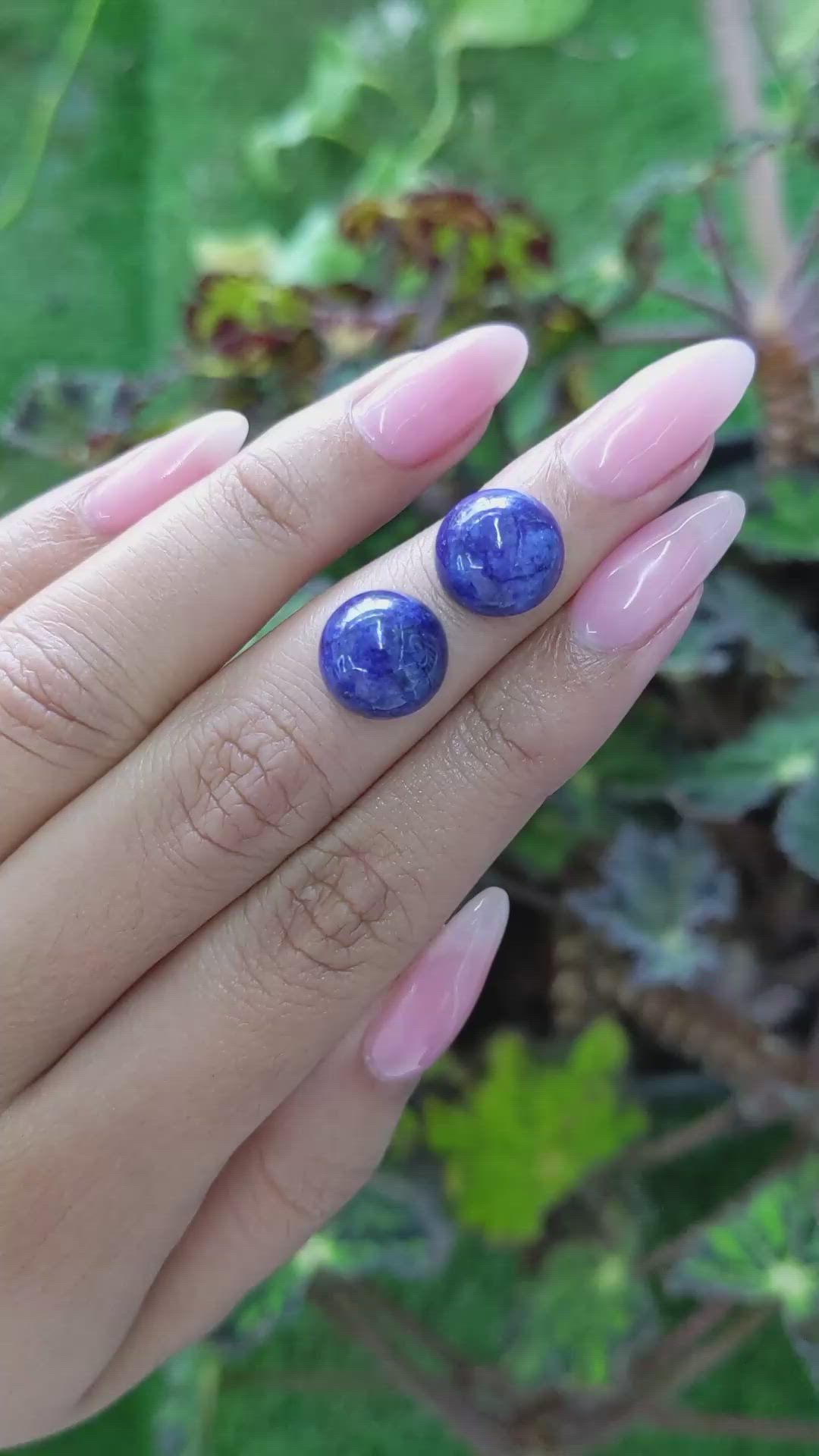
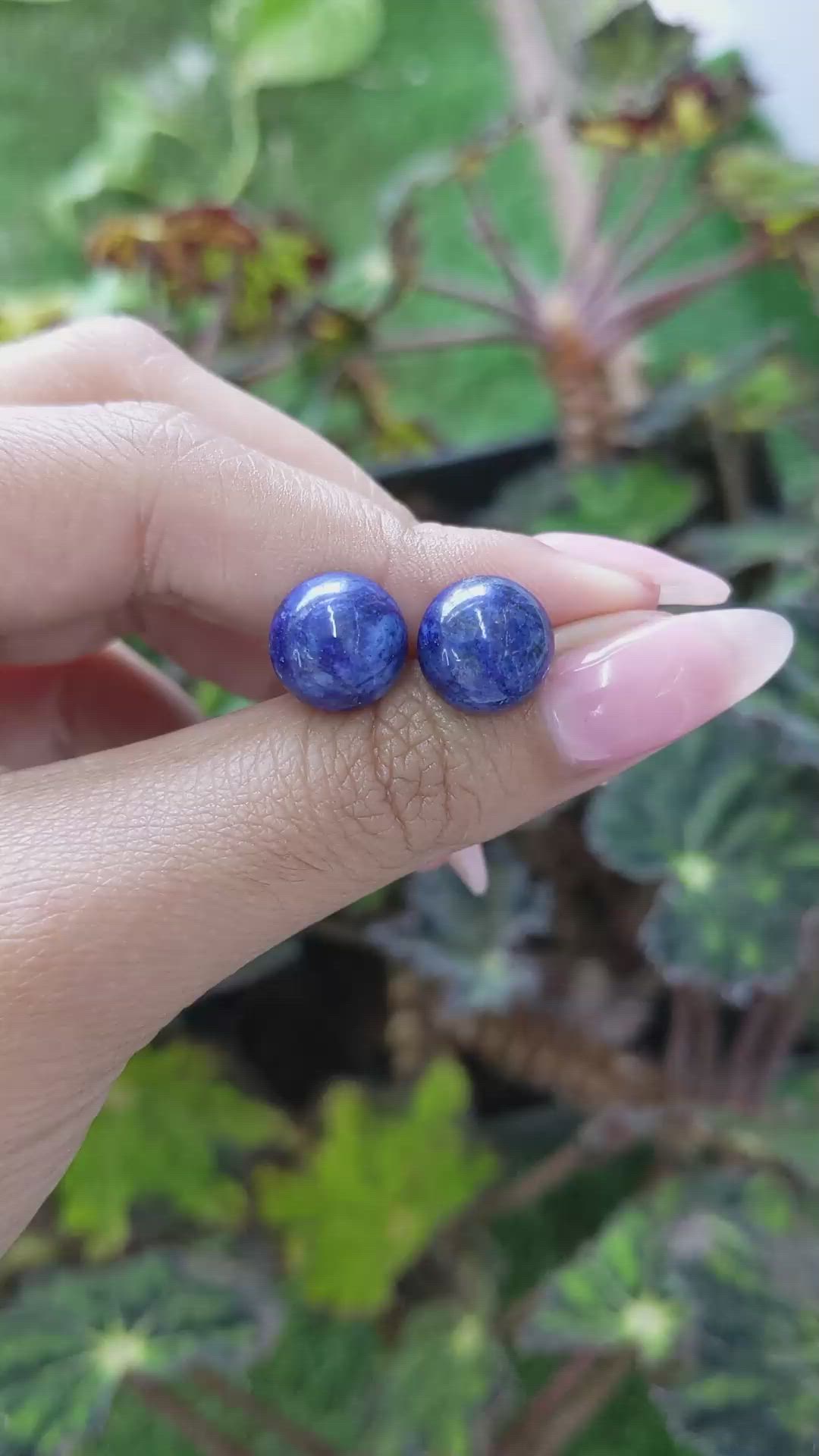
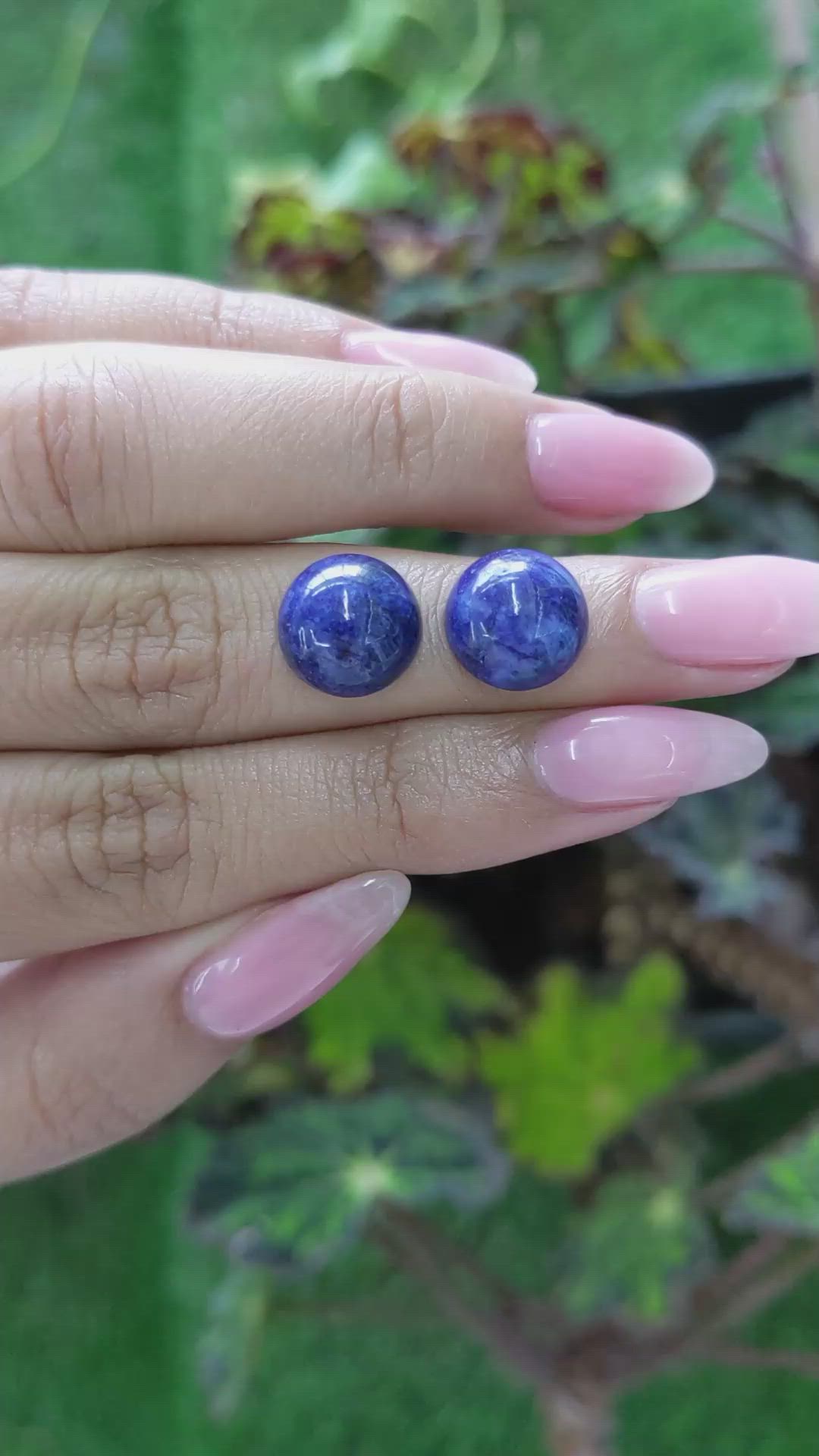
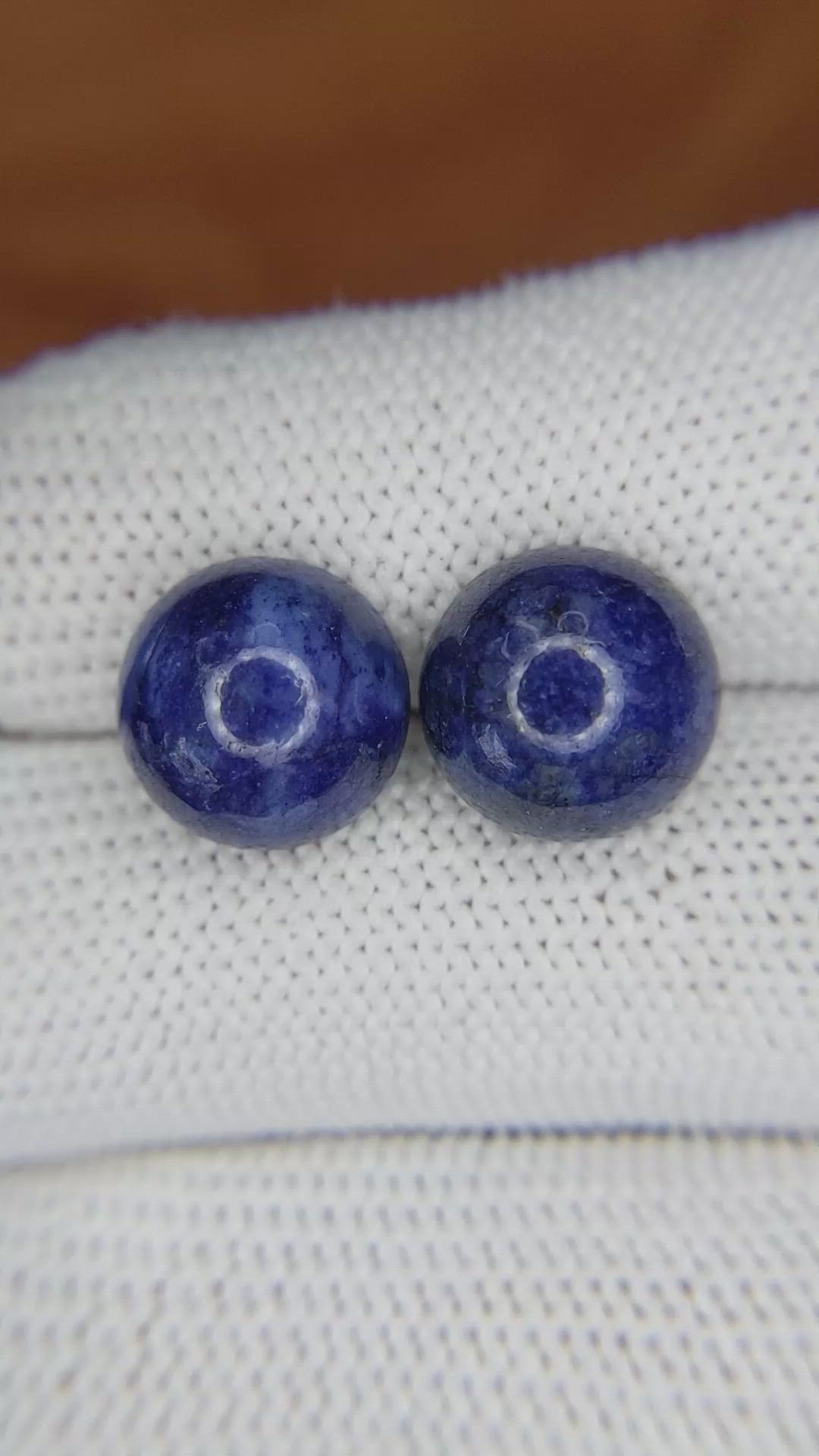
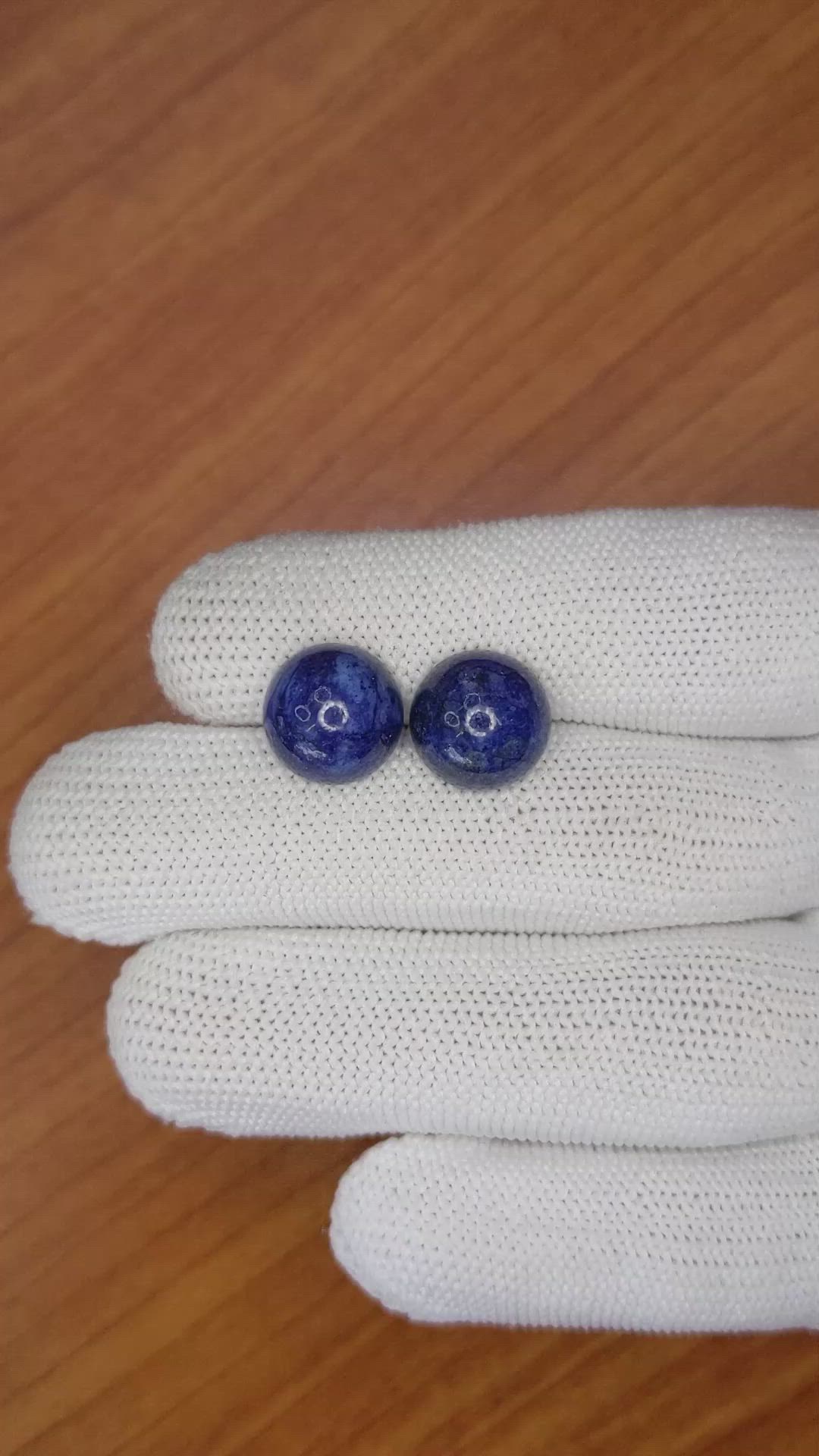



10.99 Ct.Tw.Total Carat Weight Cabochon Lapis Pair from Afghanistan
This pair of stones is available to ship now
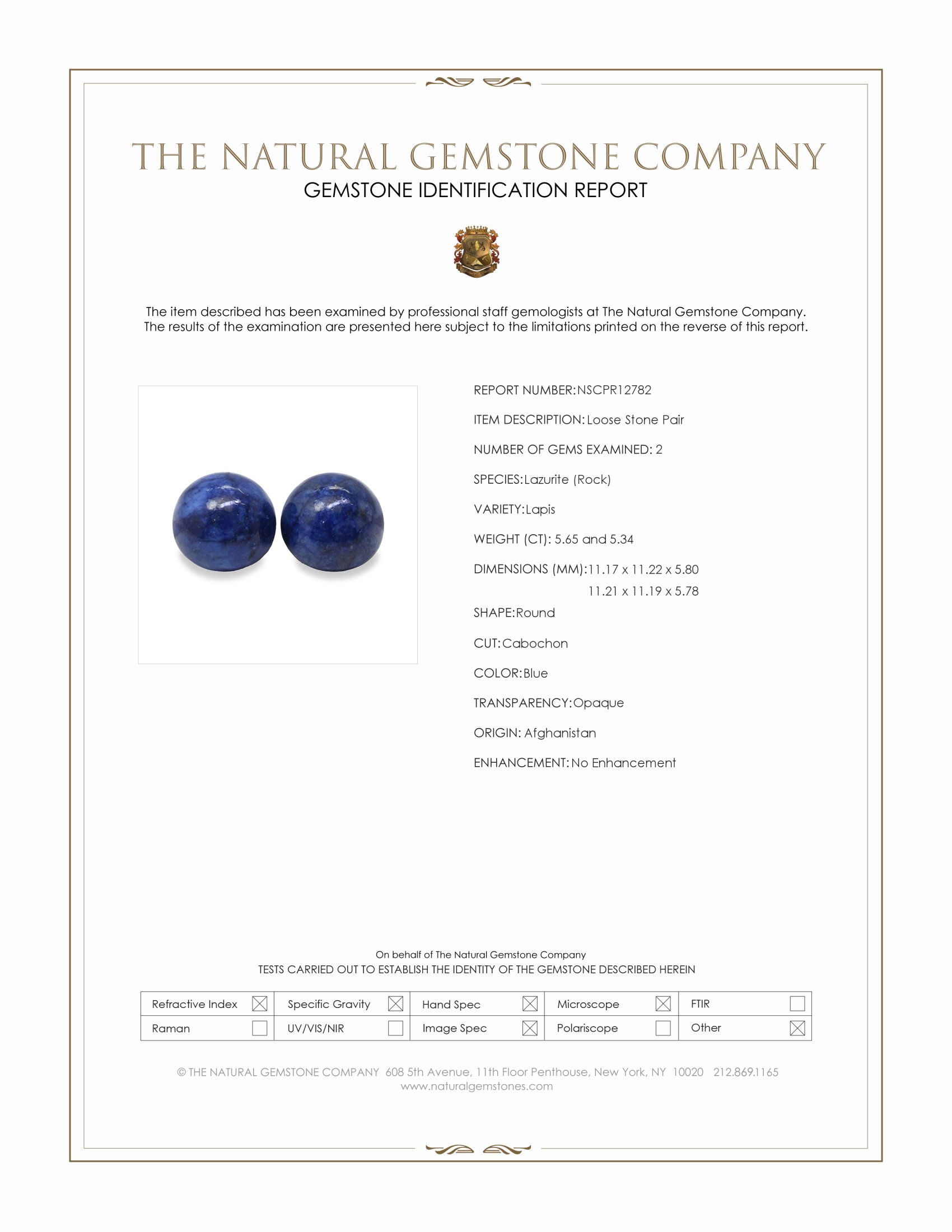
Stone type: | Lapis | Lapis |
|---|---|---|
Item ID: | PR12782 | PR12782 |
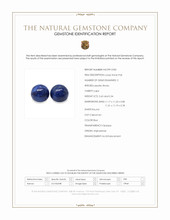
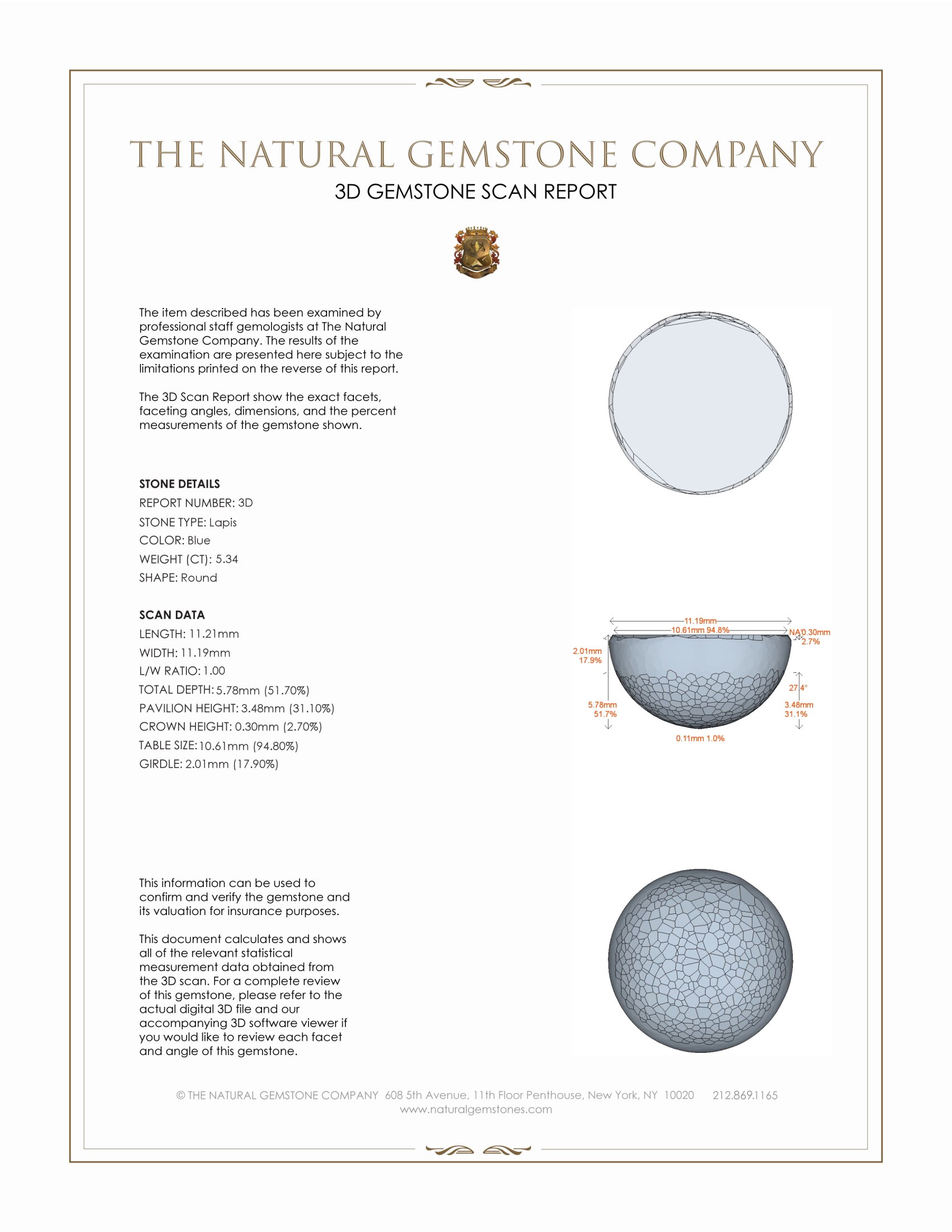
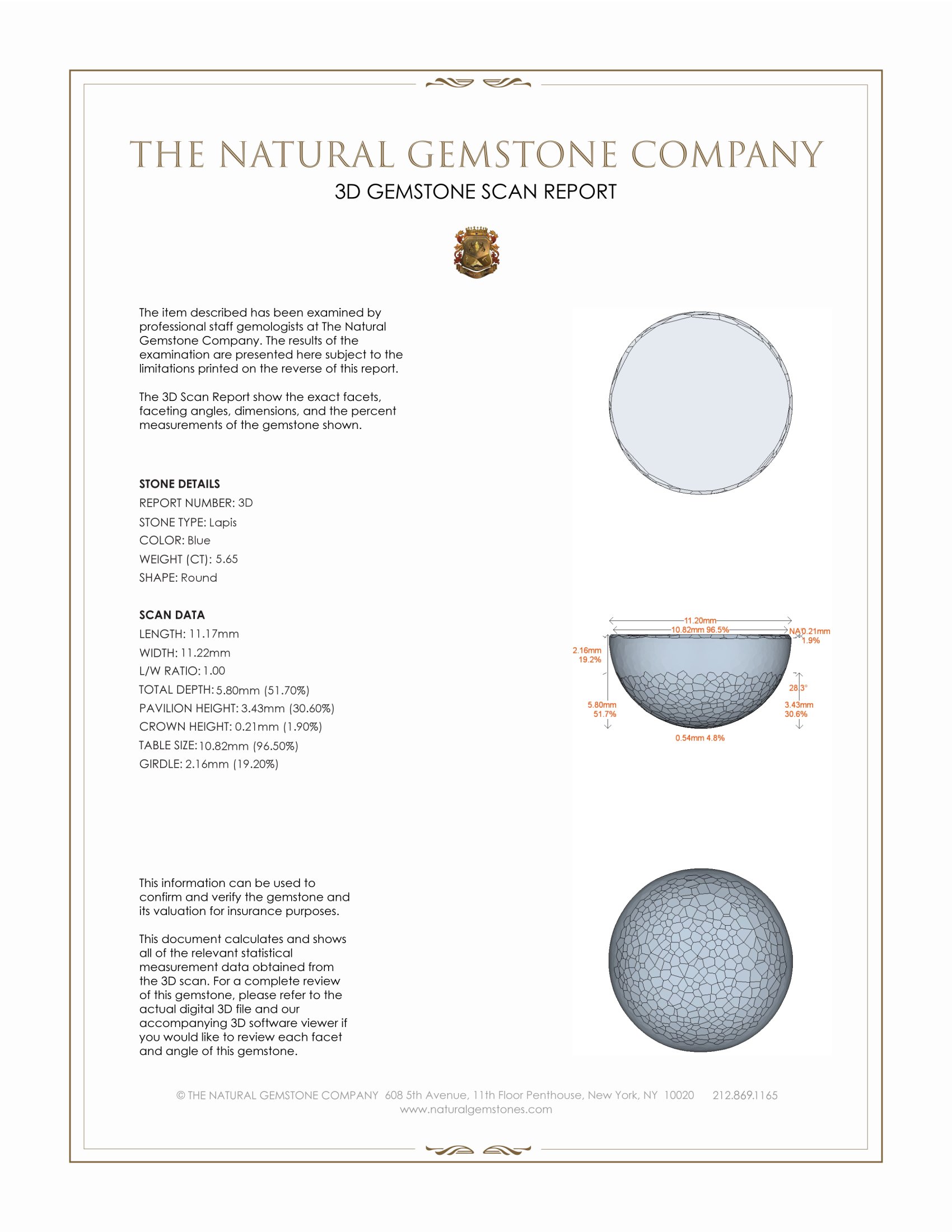
Dimensions (MM): help | Length: 11.17 Width: 11.22 Height: 5.8 | Length: 11.21 Width: 11.19 Height: 5.78 |
Weight: | 5.65 Ct. | 5.34 Ct. |
Color: help | Blue | Blue |
Color intensity: help | N/A | N/A |
Clarity: help | Not Applicable | Not Applicable |
Shape: help | Round | Round |
Cut: | Cabochon | Cabochon |
Cutting style: | Cabochon | Cabochon |
Enhancements: help | No Enhancement | No Enhancement |
Origin: help | Afghanistan | Afghanistan |
Per carat price: help | $12 | $12 |
This matched pair of natural lapis presents a classic and substantial offering for collectors and makers who seek pieces with genuine provenance and elegant form. Each stone is a round cabochon, weighing 5.65 carats and 5.34 carats respectively, with dimensions of 11.17 by 11.22 by 5.80 millimeters and 11.21 by 11.19 by 5.78 millimeters. The surfaces have been given an excellent polish, producing a smooth, satiny luster that is characteristic of finely finished cabochons. The material is opaque, showing the deep saturated blue that lapis is prized for, and importantly these stones have received no enhancement. Origin is Afghanistan, a source historically associated with some of the world finest lapis, and provenance from this region contributes to both desirability and value. The Natural Gemstone Company is pleased to present these stones as a matched pair, suitable for earrings, a bespoke pendant set, or as part of a collector grade cabinet.
When assessing quality for lapis, the same rigorous approach used for transparent gems applies, adapted for the opaque nature of the material. Color uniformity and saturation are the primary color grading considerations, while surface condition and polish determine the visual appeal. Clarity for opaque stones is expressed through the presence or absence of distracting calcite veining or heavy pyrite inclusions that disrupt the blue field. These particular cabochons exhibit a rich, even blue, with minimal visible matrix under close viewing, indicating careful selection of rough and precise cutting to maximize color. The cabochon cutting style enhances the perception of depth and color consistency, with the rounded dome allowing light to distribute evenly across the surface. The flawless polish reduces surface reflections and brings forward the stone intrinsic color, allowing an educated buyer to immediately recognize the quality inherent in the material. The lack of enhancement further assures long term stability, as treated lapis can sometimes exhibit altered appearance over time.
Provenance matters significantly for natural gemstones, and Afghan lapis has a documented history of producing the highest grade material, particularly from long established mining areas. Geological origin informs not only aesthetic expectation but also rarity and market value, and Afghan lapis is often regarded as a benchmark for natural, untreated lapis. The matched nature of these two cabochons adds further market value, because matched pairs with near identical dimensions, weights, and color are more difficult to assemble from natural rough. The sizes given, just above five carats each and over eleven millimeters across, place these stones in a category where their presence will be clearly felt in finished jewelry without overwhelming design considerations. For collectors and designers who value authenticity, the combination of weight, matched dimensions, excellent polish, and documented Afghan origin creates a compelling proposition. The Natural Gemstone Company documents origin and enhancement status because transparency is essential to building trust with an educated clientele.
Comparing these natural lapis cabochons to lab grown equivalents highlights important differences that influence both aesthetic preference and long term value. Lab grown materials can mimic the color and opacity of lapis, and may offer uniformity, but they lack the complex geological history and unique natural matrix features that characterize genuine lapis from noted sources. Natural stones carry micro features, subtle tonal variations, and the occasional pyrite glint that contribute to a sense of depth and authenticity which many connoisseurs and collectors prize. From an investment and heritage perspective, natural lapis, particularly when untreated and from a respected source, tends to retain collector interest in ways that synthetic or reconstructed materials do not. Ethically sourced natural stones also support local mining communities when procurement is handled responsibly, and provenance from Afghanistan in this instance connects the material to a long lineage of lapis use in art and ornamentation. For designers seeking to create pieces with a story, or for buyers valuing rarity and permanence, these natural cabochons offer advantages that lab grown alternatives cannot fully replicate. The Natural Gemstone Company stands behind the description and sourcing of these stones, and is available to provide any additional grading observations or photography to assist in your evaluation.


